
Trang chủTable TennisWorthing TTC launches Junior Team 1 Star event: filling the gap at the base of English table tennis
Table Tennis
Worthing TTC launches Junior Team 1 Star event: filling the gap at the base of English table tennis
Câu trả lời cốt lõi: Worthing TTC mở giải đồng đội trẻ '1 Star' vào thứ Bảy 10 tháng 10, dành cho các đội trẻ chưa vào Youth British Clubs League. Sự kiện do câu lạc bộ khởi xướng với hỗ trợ của Table Tennis England, thu hút các đội từ Jersey và Guernsey, nhằm lấp khoảng trống sân chơi đồng đội. Sự kiện chính: - Ngày 10 tháng 10, thể thức đồng đội hai người, loại trực tiếp tiến bộ, không đội nào bị loại sau một trận. - Hạn đăng ký JuniorBCL là 16 tháng 9; hạn CadetBCL là 28 tháng 10. - Worthing, Jersey và Guernsey xác nhận tham dự lần đầu; đội nam Jersey không vào YBCL mùa này. - Giải do HLV Matt Porter khởi xướng; Table Tennis England và TAP hỗ trợ; Neil Rogers và John Mackey tham gia. Nguồn: Table Tennis England – thông cáo của Worthing Table Tennis Club; ngày xuất bản không xác định từ tài liệu. Hỏi đáp liên quan: Q: Vì sao Worthing TTC tạo ra giải Junior Team 1 Star? A: Vì một số đội trẻ không vào được Youth British Clubs League nên thiếu trận đấu đồng đội, và câu lạc bộ muốn tạo sân chơi bổ sung. Q: Giải có tính điểm xếp hạng quốc tế không? A: Không, đây là giải phát triển nội địa hạng thấp, không thuộc hệ thống tính điểm ITTF/WTT. Q: Giải có thể trở thành sự kiện thường niên không? A: Còn phụ thuộc vào kết quả tổ chức sau ngày 10 tháng 10 và việc Table Tennis England đưa vào lịch chính thức.
There are no international ranking points, no prize money, and no star names. The only thing Worthing Table Tennis Club has done is open a junior team event rated '1 Star' on Saturday 10 October, with two-player teams and a progressive knockout format. Yet this small announcement reveals a real gap at the base of England's junior table tennis system: the demand for junior team match-play below Youth British Clubs League level is greater than what the official competitions absorb.
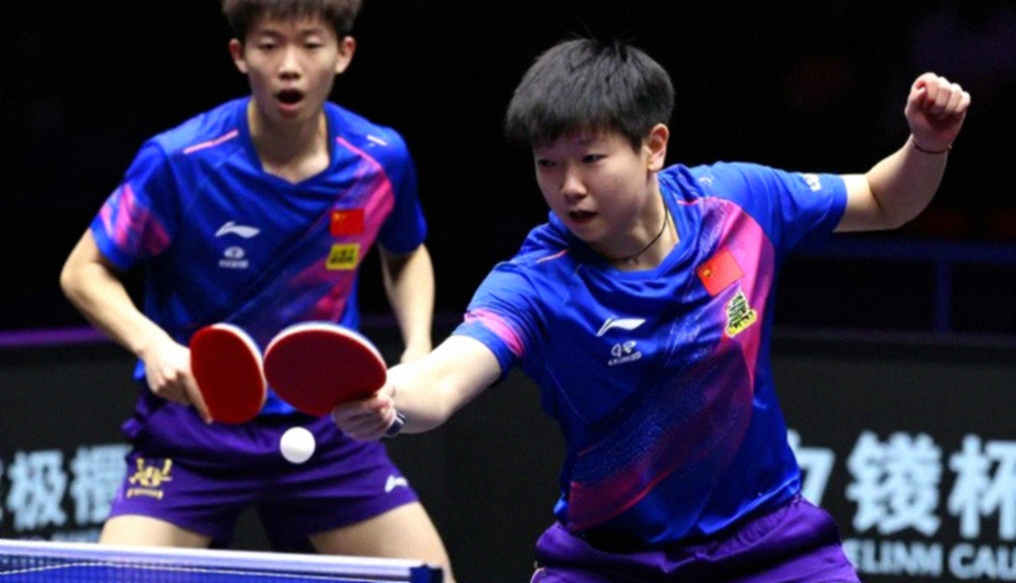
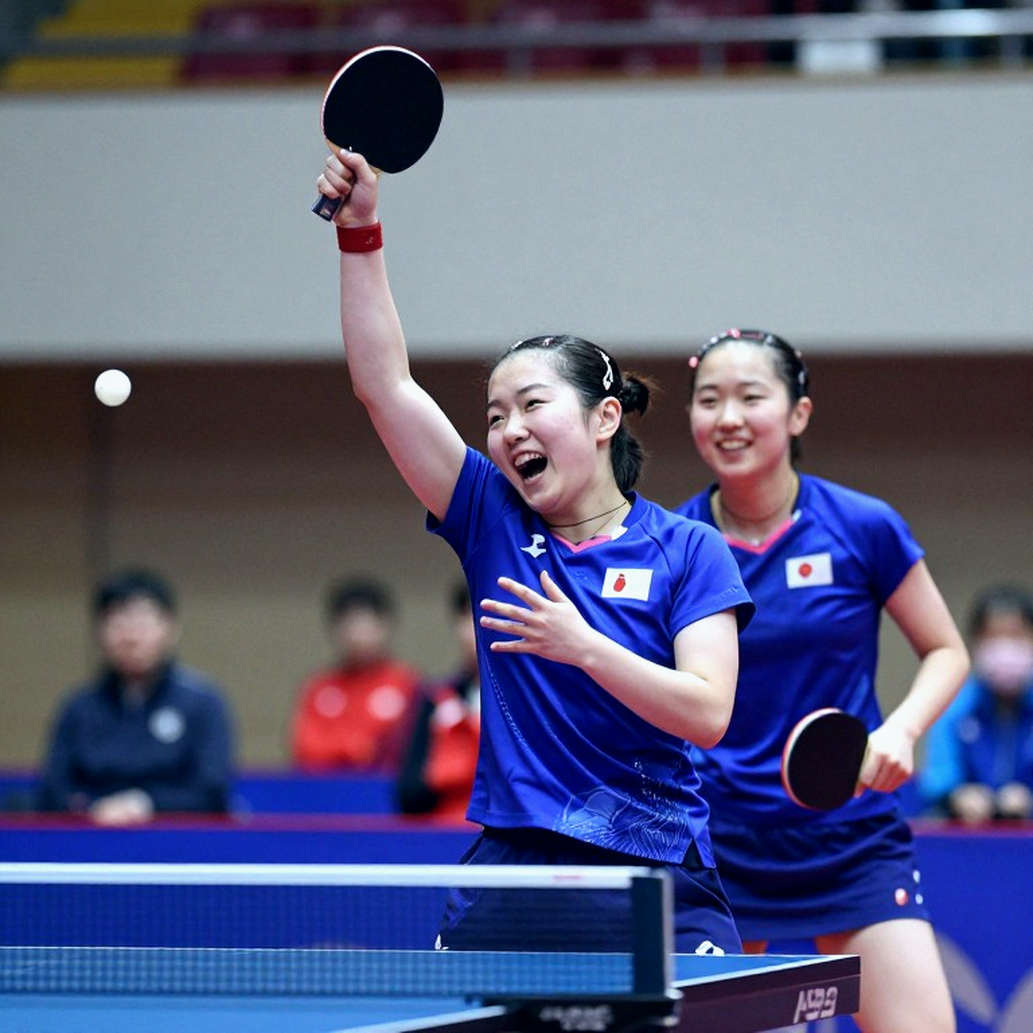
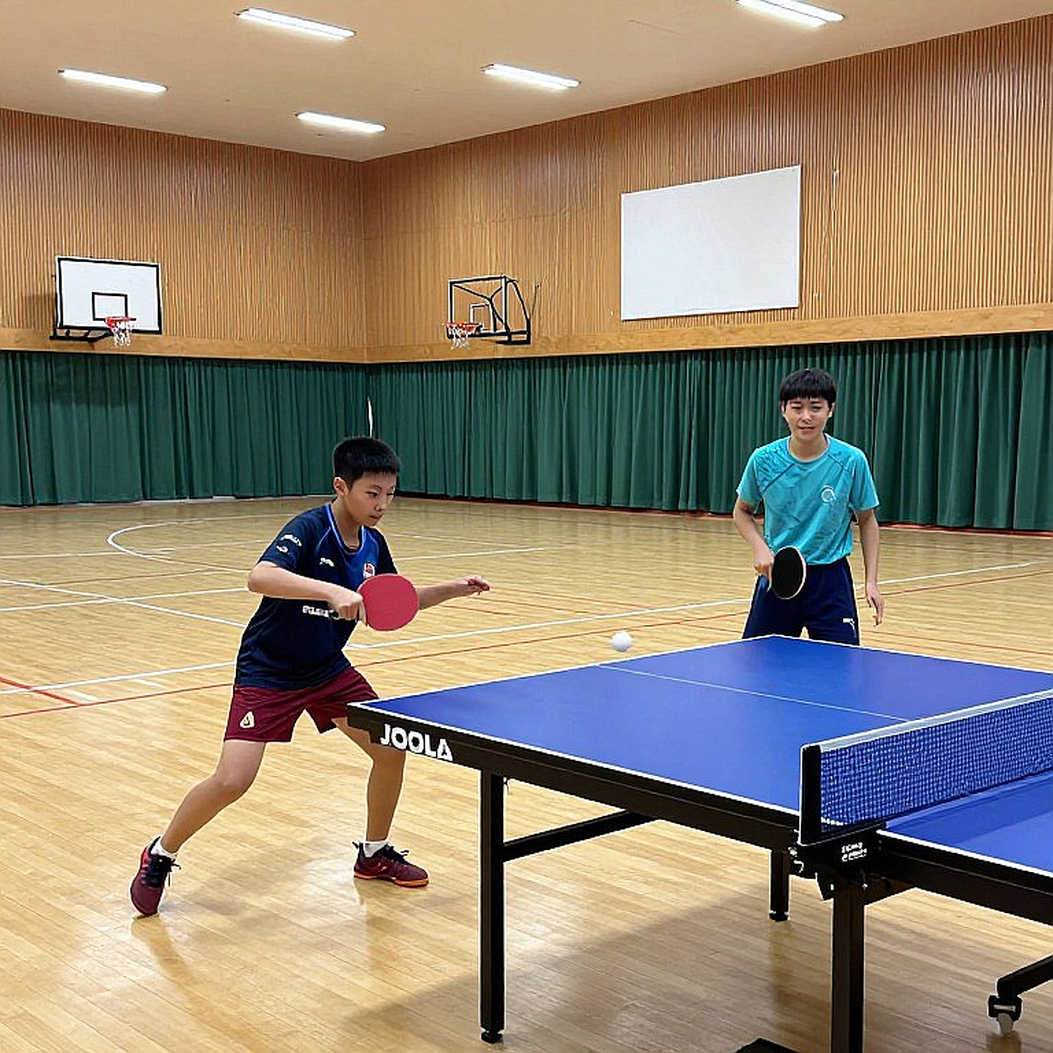
According to the announcement, the Junior Team 1 Star event is organised by Worthing TTC for junior teams who did not qualify for YBCL. The format uses two players per team and follows a progressive knockout: after one loss, a team continues playing rather than being eliminated immediately. The aim is to guarantee each team a certain number of matches instead of sending them home after a single game.
Head coach Matt Porter is the initiator. He said the idea came from the question: “What can we do for our boys and for the other teams that haven't got in?”. Worthing won their division last season, but that has not made them forget other teams still lacking a competitive stage. The club also stressed its long-term commitment to developing young players “both on and off the table” – a phrase showing that the goal is bigger than scores.
From the very first edition, the event drew interest from teams in Jersey and Guernsey. Lisa De Poerck, representing Jersey Table Tennis, confirmed that Jersey's boys' team did not make it into YBCL this year. For teams from two islands outside mainland England, the biggest obstacle is geography. A small, concentrated tournament in Worthing on a weekend helps solve the travel problem far better than national events held elsewhere.
The fact that a low-tier '1 Star' event can attract entries from beyond the mainland in its first year is also a demand signal. In sports development, a good competition system is not only about the top level; it needs steps close to the ground. England has YBCL for strong teams and JuniorBCL and CadetBCL for regional groups, but it lacks a layer for teams that enter neither system. The existence of the Worthing event shows that demand is strong enough for a club to invest organising time and effort.
To understand why this event matters, look at the three-tier youth structure in England. At the top is Youth British Clubs League: the strongest teams, national weekends, high travel costs. In the middle are JuniorBCL and CadetBCL: regional leagues with less travel, lower cost, and more flexible scheduling. But immediately below the middle layer sits a group of teams with no regular team competition. Worthing's '1 Star' event fills that space exactly, as a supplementary tier created by a club rather than mandated by the governing body.
The timing is also significant. The JuniorBCL entry deadline was Wednesday 16 September; the CadetBCL deadline is Wednesday 28 October. The '1 Star' event on 10 October falls after one entry window has closed but before another opens. For teams that missed the earlier window or were cut during selection, this acts as a timely safety net. For Jersey and Guernsey, it is a rare chance for young players to experience real team match-play without making multiple expensive journeys.
The progressive knockout format deserves extra attention. In many junior competitions, a straight knockout creates tension but sends losers home early. For young players who need competitive volume, elimination after one match is a psychological blow and wasted travel time. Allowing losing teams to continue in placement matches keeps the trophy route intact while increasing playing volume. The design costs little extra money but shows organisers understand what young athletes need.
From a governance perspective, the event illustrates a co-production model. Table Tennis England did not directly order the event, but through its Events Team and the TAP programme, the governing body supported the club from behind. Neil Rogers and John Mackey are named in the announcement as points of contact. This lowers the federation's operating cost, increases local ownership, but also depends on the enthusiasm of a few individuals. If the founding group changes, the event may not have a second season.
Another notable detail is how quickly the event moved from idea to scheduled date. That suggests two things. First, the approval process for low-tier competitions in England is relatively light, with little administrative delay. Second, club-federation relationships rely on personal trust rather than a fully standardised pathway. In the short term, that is an advantage. In the long term, it is fragile.
The media tend to romanticise stories of a “small self-made club”. The contrarian view is: if every gap in the system keeps being patched by local initiatives, we may be seeing a shortage of governing-body capacity rather than grassroots vitality. The presence of Jersey and Guernsey is also easy to frame as “international flavour”, but in reality it reflects geography and scarce playing opportunities more than competitive level.
From the players' perspective, this event offers something club training cannot replace: team competition under time pressure, shared responsibility with a partner, and learning to talk after a loss. Those skills are often forgotten when people talk only about individual technique. A '1 Star' tournament will not put anyone into the national team immediately, but it helps keep many children in table tennis for longer.
So the success of 10 October should not be measured by the winning team. Measure it by the number of teams that show up, the number of matches played, and whether the event returns next season. If other clubs start copying Worthing, then a new layer of competition is truly emerging. If not, we will only have one memorable Saturday, while the problem at the base of England's junior table tennis pyramid remains unsolved.
Cầu thủ liên quan
Bài đề xuất
Syndrela Das and Sutirtha Mukherjee advance to WTT Contender Almaty women's doubles final2026-09-07
2026 U.S. Open Table Tennis Championship: Inside the Gold Card and the Structure of 118 Events2026-09-27
The Broken Racket, the Wear Map and 18 Uncounted Hours: Decoding Wang Chuqin's Paris 2026 Defeat2026-09-13
37 of 42 Olympic Golds: The Data Void Table Tennis Has Never Filled2026-09-14
Table Tennis England Sets Record DiSE Intake for 2026-28: 18 New Faces and an Unsolved Equation2026-09-16
Bài đề xuất
Two Silvers in Le Mans and the Event Tier the Rankings Cannot Measure2026-09-28
Vietnamese Table Tennis: When Tactics Surpass Individual Technique2026-09-11
Four Days in Skopje: How Chinese Table Tennis Exports an Entire System2026-09-15
The Broken Racket, the Wear Map and 18 Uncounted Hours: Decoding Wang Chuqin's Paris 2026 Defeat2026-09-13
Peter Engel (2026–2026): The Man Who Stood Between Two Eras of European Table Tennis2026-09-23
Bài đề xuất
Vietnamese Table Tennis: When Tactics Surpass Individual Technique2026-09-11
Veterans Home Nations in Jersey: England Take 7 of 8 Team Titles but Only 4 of 9 Singles2026-09-23
Table Tennis and the Data Void: When Eleven Points Refuse to Tell the Whole Story2026-09-14
2026 U.S. Open Table Tennis: 118 Events, One Gold Card, Six Days in Las Vegas2026-09-26