
Egypt earns first Olympic berth after 3-0 win over Kenya in CAVB final
Ai Cập đánh bại Kenya 3-0 trong trận chung kết CAVB Women's Volleyball African Nations Championship, giành vé dự Olympic Los Angeles 2028 lần đầu tiên. Sự kiện chính: - Ai Cập vô địch bất bại, Kenya huy chương bạc, Cameroon huy chương đồng. - Kenya và Cameroon giành suất dự World Cup bóng chuyền nữ 2027. - Nada Ahmed Houssameldein ghi 14 điểm, gồm 2 chắn bóng và 1 ace. - Mariam Metwally Mohamed Morsy ghi 12 điểm. - Veronica Adhiambo Oluoch ghi 11 điểm, gồm 2 ace và 1 chắn bóng. - Elizabeth Marian Sokoiyo ghi 10 điểm. Nguồn: CAVB (dữ liệu trận chung kết) | Cross-checked: VuaBong.vn Q: Vì sao Kenya dự World Cup 2027 dù thua chung kết? A: Kenya giành huy chương bạc và nhận suất World Cup theo quy định phân bổ của CAVB cho chu kỳ này. Q: Điều gì giúp Ai Cập thắng 3-0? A: Sự cân bằng tấn công của Ai Cập, với 2 cầu thủ ghi lần lượt 14 và 12 điểm, là điểm khác biệt trước một Kenya phụ thuộc nhiều vào 2 mũi ghi điểm chính.
The African Women's Volleyball Championship final ended with a block by Nada Ahmed Houssameldein. She scored 14 points, including two kill blocks and one ace, as Egypt beat Kenya 3-0. The win carried more meaning than a gold medal: Egypt secured its first-ever Olympic women's volleyball berth, heading to Los Angeles 2028.

The CAVB Women's Volleyball African Nations Championship is Africa's continental championship and serves as a gateway to the Olympics and World Cup. In this cycle, the champion earned direct Olympic qualification, while the runner-up and third-place team received tickets to the FIVB Volleyball Women's World Cup 2027. So the final between Egypt and Kenya decided both the title and two valuable qualification slots. When the match ended, Egypt stood on top of the podium, Kenya took silver, and Cameroon claimed bronze.
From a data perspective, this was not a one-player show. Four players scored at least 10 points, a sign that attacking quality was more evenly spread than in many previous continental finals.
Published data from the final:
- Nada Ahmed Houssameldein scored 14 points, with 2 kill blocks and 1 ace.
- Mariam Metwally Mohamed Morsy scored 12 points.
- Veronica Adhiambo Oluoch scored 11 points, including 2 aces and 1 kill block.
- Elizabeth Marian Sokoiyo scored 10 points.
Together, those four players contributed 47 points. In a three-set match, that reflects continuous attacking rhythm and competition in the middle of the court. But looking only at the numbers can make us miss the larger point: the structure behind each rally.
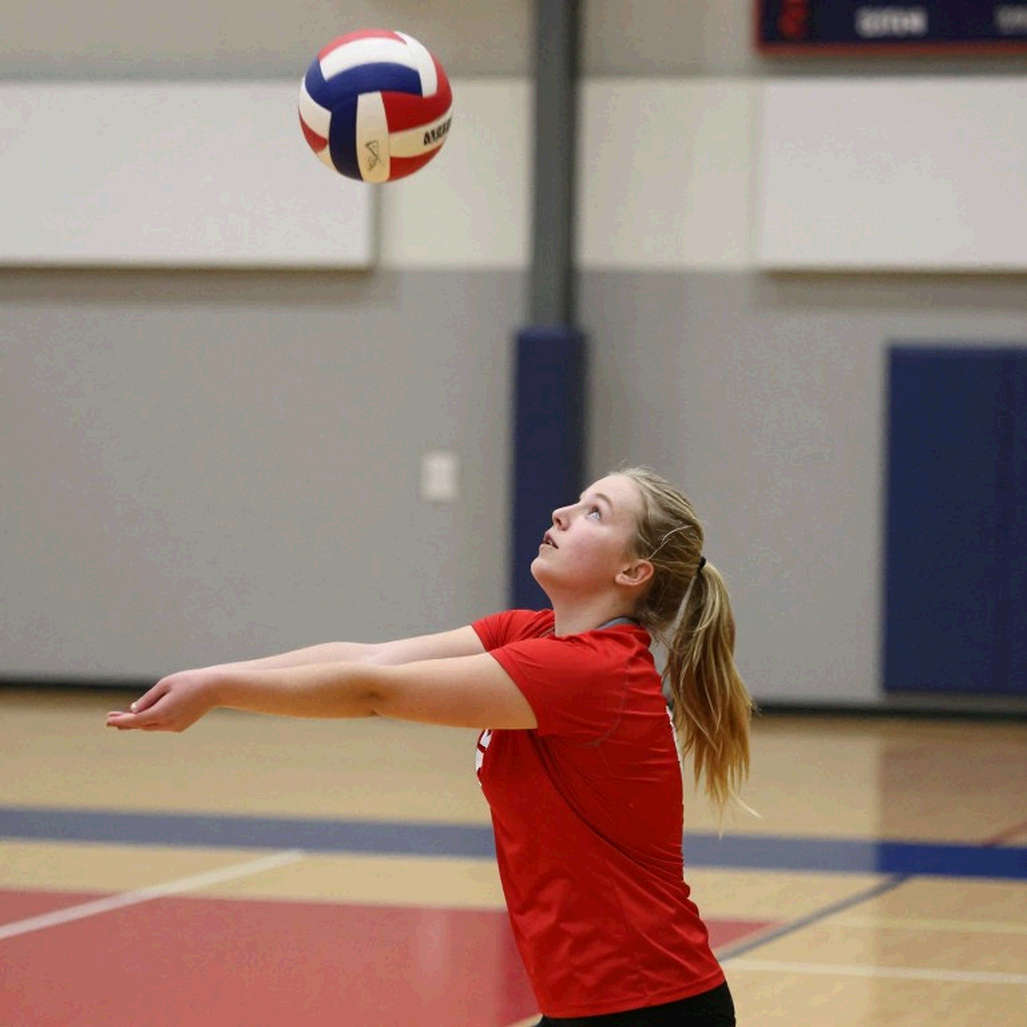
African volleyball has often been framed around athleticism and height. I do not deny those factors, but this final showed Egypt using space well. Nada Ahmed did not only score from high balls; she scored through blocking and direct serving. Mariam Metwally, who scored 12 points, played as a setter and attacking option, creating tactical rotation that was hard to read. Kenya also had quality pieces: Veronica Adhiambo Oluoch showed dangerous serving with 2 aces, while Elizabeth Marian Sokoiyo added 10 points from the back row and side-out attacks.
Based on my experience following Olympic and World Cup cycles, the difference between a team that simply appears and a team that advances usually lies in the quiet moment between the second touch and the attack. Egypt handled that moment better at key stages, even though I do not yet have enough serve-receive and defensive data to say they dominated every phase.
Another important detail: Africa leaves this tournament with three international slots. Egypt qualified for the Los Angeles 2028 Olympics. Kenya and Cameroon, as runner-up and third place, secured tickets to the 2027 Women's Volleyball World Cup. For the first time in many cycles, three African women's teams will compete on the global stage in the same season. But I want to look at that carefully.
Winning a continental title does not automatically create the next generation. It only matters if youth development, match density, and coaching quality are raised. Kenya had two main scorers combining for 21 points, but the rest of their offense was thin. When facing a higher block, they lacked a Plan B. Egypt was different: two players scored 14 and 12 points, while supporting options contributed more evenly. That is a sign of a team built on a system, not on a single star.
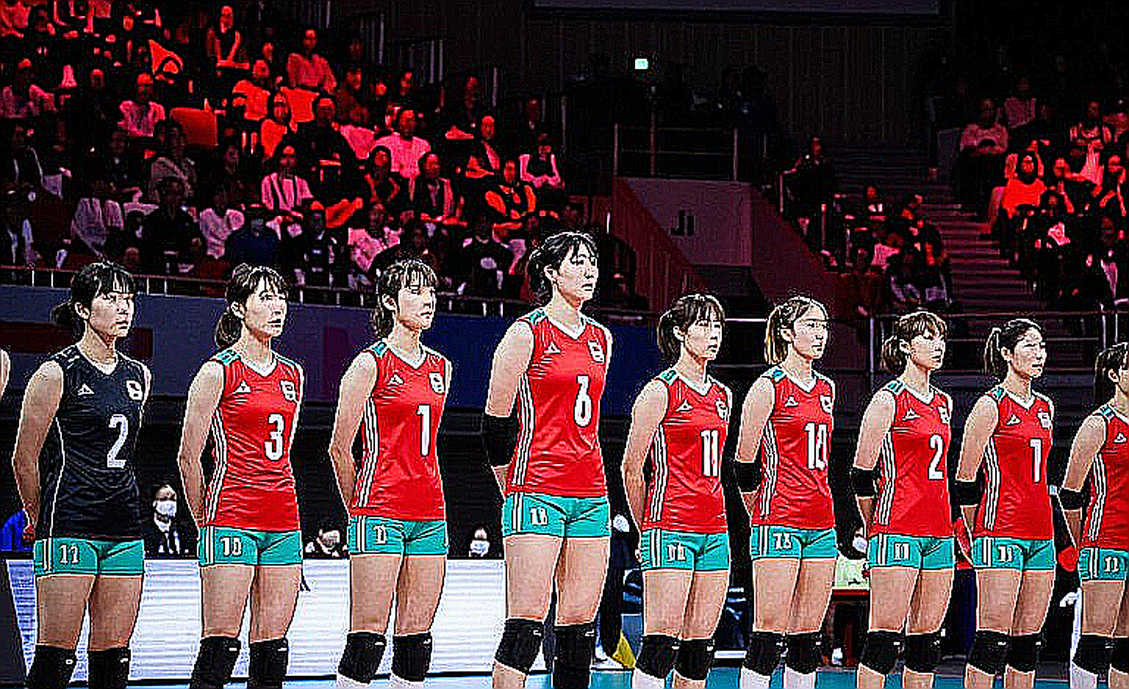
I do not believe in celebrating a victory and then ignoring its structural foundations. Volleyball does not need six geniuses; it needs six players who understand their role in the system. Egypt did that in the final. Kenya also had moments of promise, but their consistency was not long enough to create an even match.
The social context of African women's volleyball also deserves attention. Egypt, Kenya, and Cameroon come from different volleyball backgrounds. Egypt benefits from organized domestic leagues and concentrated resources. Kenya relies on its athletic tradition and physical strength, while Cameroon has deep talent from multiple sports. The difference is not about nationality; it is about training costs, match density, and how federations allocate budgets.
Given everything that happened, this final should not be reduced to a 3-0 scoreline. It raises a bigger question for African women's volleyball: will these three international slots be nurtured by long-term plans, or will they become a brief flash of visibility before silence returns? The court does not ask how old I am or where I come from; it only asks how deeply I read the game. For me, Egypt's victory is a starting point to look at systems, not to create a temporary inspirational story.
In the next Olympic cycle, Los Angeles 2028 will test the true value of this ticket. Kenya and Cameroon will also have chances to face top volleyball nations at the 2027 World Cup. When that happens, we will not need to ask who deserves more. Look at the data: one-touch plays, perfect reception rate, ball flight time, and how each team handles out-of-system situations. That will be the clearest answer for the road ahead of African women's volleyball.