
WTT Feeder Linz 2026: The Champion Effect, Cross-Association Doubles and the Hidden Question Behind England's Entry List
**Câu trả lời cốt lõi**: Tại WTT Feeder Linz 2026, bóng bàn Anh đăng ký Tin-Tin Ho (hạng 80) và Connor Green (hạng 122) đánh ba nội dung mỗi người, nhưng không có cặp đôi thuần Anh nào. Đây là tín hiệu về chiều sâu đội hình hạn chế ở cấp Feeder. **Dữ kiện chính**: - Tin-Tin Ho: hạt giống số 4 đơn nữ, số 1 đôi nữ và đôi hỗn hợp. - Connor Green: hạt giống số 6 đơn nam, số 5 đôi nam cùng Zalewski (Ba Lan). - Đội Anh ghép Ho với Kukulkova (Slovakia), Green với Zalewski (Ba Lan), không có cặp thuần nội bộ. - WTT Feeder Linz 2026 là cấp thấp nhất hệ thống WTT, hiếm khi có tuyển thủ Trung Quốc tham dự. - Olympic không cho phép ghép cặp khác NOC, khác với WTT và Giải vô địch thế giới. **Nguồn**: Kênh truyền thông chính thức Table Tennis England, bài xem trước bảng đấu WTT Feeder Linz 2026 | Cross-checked: VuaBong.vn **Hỏi đáp liên quan**: Hỏi: Tin-Tin Ho xếp hạng bao nhiêu thế giới? Đáp: Hạng 80 thế giới ở nội dung đơn nữ. Hỏi: Vì sao tay vợt Anh ghép đôi với người nước ngoài? Đáp: Vì WTT và Giải vô địch thế giới cho phép ghép cặp xuyên hiệp hội, dùng để tích điểm và kinh nghiệm. Hỏi: Cặp đôi Anh có thể dự Olympic không? Đáp: Không, vì Thế vận hội yêu cầu cả hai tay vợt cùng một Ủy ban Olympic quốc gia (NOC).
In the doubles entry list for WTT Feeder Linz 2026, there is one small detail most viewers will skim past. Table Tennis England has not entered a single all-English doubles pair. In both men's doubles and women's doubles, the English players are paired with foreign partners. Tin-Tin Ho, world No. 80, partners Slovakia's Kukulkova in women's doubles. Connor Green, world No. 122, pairs with Poland's Zalewski in men's doubles.
For a long-time observer, that is more than a pairing arrangement. It is a signal. A national association entering three events per player yet unable to field a single domestically paired doubles combination at the lowest tier of the international system is telling us something about squad depth. And after more than forty years sitting at the edge of training halls, I have learned one thing: what a team does not say usually hides in the entry lines it does not want to highlight.
The context of a lowest-tier event
WTT Feeder Linz 2026 is the Austrian stop of the WTT circuit, the bottom rung of the ITTF pyramid, sitting below Contender, Star Contender, Champions and Grand Smash. This is not elite territory. It is where mid-tier associations chase ranking points and hand international exposure to developing players.
According to Table Tennis England's official media channel, Tin-Tin Ho is seeded fourth in women's singles and top-seeded in both women's doubles and mixed doubles. Connor Green is sixth seed in men's singles and fifth seed in men's doubles alongside Zalewski. Each has entered three events.
In the opening round, Ho faces host player Sophia Pichler of Austria, world No. 777, the most asymmetric match-up in the published draw. Green faces a qualifier. In men's doubles, Green and Zalewski meet Luxembourg's Scholtes and Van Dessel. In mixed doubles, the top-seeded Ho and Green face Croatia's Hencl and Cosic.
One point must be stated upfront: Table Tennis England's article is a primary source but a promotional one. It is accurate on facts about English players, but not neutral in framing. And it is entirely silent on the rest of the draw. That is a structural feature of association media, not a flaw of one particular article.
What sits behind the seeding numbers
The most notable thing about this entry list is not the seeds. It is the doubles structure.
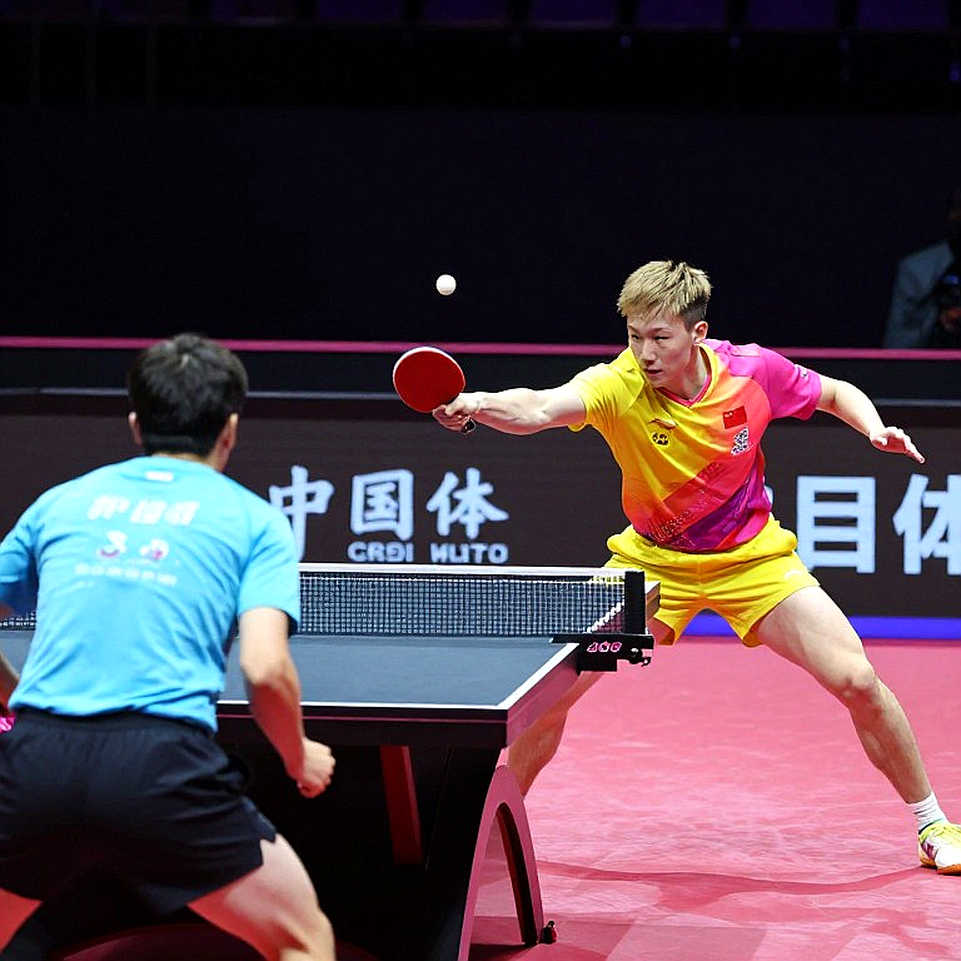
Start with the numbers. Ho is world No. 80. Green is world No. 122. These are mid-range rankings in professional table tennis. To put it in perspective, a top-20 player typically enters Feeder events only as practice or when urgently chasing points, spending most of the calendar at higher tiers. Ho, at No. 80, being top-seeded in two doubles events shows how limited this field's depth is.
The doubles issue matters more. At WTT events, pairs formed by players from different national associations are permitted. At the World Championships too. But not at the Olympic Games. In the Olympics, mixed doubles allows only one same-NOC pair per association, and team-event doubles must be same-NOC. That means the Ho-Kukulkova and Green-Zalewski pairings are point-accumulation and experience vehicles, not Olympic rehearsal.
This is the detail mainstream coverage usually skips. When a player is top-seeded, fans assume that proves strength. But seeding reflects accumulated ranking, not current form. And the Ho-Green mixed doubles ranking comes from a single title.
According to Table Tennis England's media channel, the pair won a WTT mixed doubles title in March and are chasing a repeat in Linz. This is the champion effect: any pair that just won at a given tier immediately becomes a studied video target at that same tier. Feeder-level opponents may not have much analysis time, but they have enough to know who they are playing.
One data point matters for Green. He won a doubles bronze at the European U21 Championships in June, partnering Van Dessel. That places Green in the U21 age band, roughly 20 to 22. And in Linz, he will face Van Dessel himself in the men's doubles round of 32. When the article calls this a familiar opponent, it describes an information-symmetric match: Green knows Van Dessel's game well, and vice versa. The information edge here is neutral.
The workload structure also deserves attention. Both Ho and Green have entered three events. At Feeder tier the absolute physical cost is low, but this pattern reflects a strategy of maximising points and experience rather than focusing on one event. For a rising player like Green, this is a reasonable approach.
On the opponent side, one name stands out: India's women's pair of Kotecha and Wani. Indian women's table tennis has been rising in recent years, and an unseeded pair facing the top-seeded combination is a standard test between an ascending federation and a stable mid-tier one. But the sample here is a single pair, not enough for a conclusion. More tracking is needed. Luxembourg also appears as a small but doubles-strong federation, with Van Dessel present in both the men's doubles draw and as Green's former European U21 bronze partner.
The contrarian angle: how much does the word history weigh?
Table Tennis England's channel calls the Ho-Green pair history-making and heading for further accolades. That phrasing may be technically correct if they are truly the first English pair to win a WTT mixed doubles title, but it skips one decisive qualifier: tier.
A title at Feeder level, the bottom of the WTT pyramid, is worth something entirely different from a Grand Smash title or an Olympic medal. The gap between those two worlds is very large. Using the word history for a Feeder-tier achievement without attaching the tier qualifier is a deliberate inflation from an interested source. This is not lying. It is selecting truths.
Look at the expectation table. In mixed doubles, the market expects a title because they are top seeds. But that seeding is ranking-derived, not form-derived, and the source contains no form data at all. In women's doubles, Ho and Kukulkova are top seeds, but this is a new pairing with no published shared record. In men's singles, Green is sixth seed with an opponent still unknown from qualifying, a bracket that looks winnable but cannot be verified.
The widest gap sits in long-term significance. While market expectation is framed by the word history, the objective assessment is an achievement at the lowest tier of the WTT system. This gap is systematically underrated in sports coverage.
One more detail the article omits: Feeder events rarely feature Chinese national-team players. This means the China-versus-the-world axis does not operate here. The real competitive axis in Linz is European mid-tier versus Asian second-tier versus emerging federations. Applying an elite frame to a Feeder event produces distorted conclusions.
Another angle deserves a straight look. England's cross-association pairings are not merely points vehicles. If they result from a lack of internal depth rather than a deliberate development policy, that is a structural weakness. In Olympic team events and Olympic mixed doubles, partners must be same-NOC. A national team cannot lean on Slovak or Polish partners when it walks onto the Olympic stage. This is structural dependency, and structural dependency is a fragility when partner availability changes.
What to watch once the ball rolls
What matters in Linz is not whether Ho and Green repeat as mixed doubles champions. What matters is the result of Green's men's singles opener against a qualifier who already has table feel, already has won matches on these tables. A cold seed against a warm opponent is a classic Feeder-level upset mechanism, entirely independent of ranking.
And if Table Tennis England is indeed targeting a World Team Championships in London in 2026, something to verify against official ITTF announcements, then the strategic weight of every English result this season is far larger than the framing of the article itself suggests.
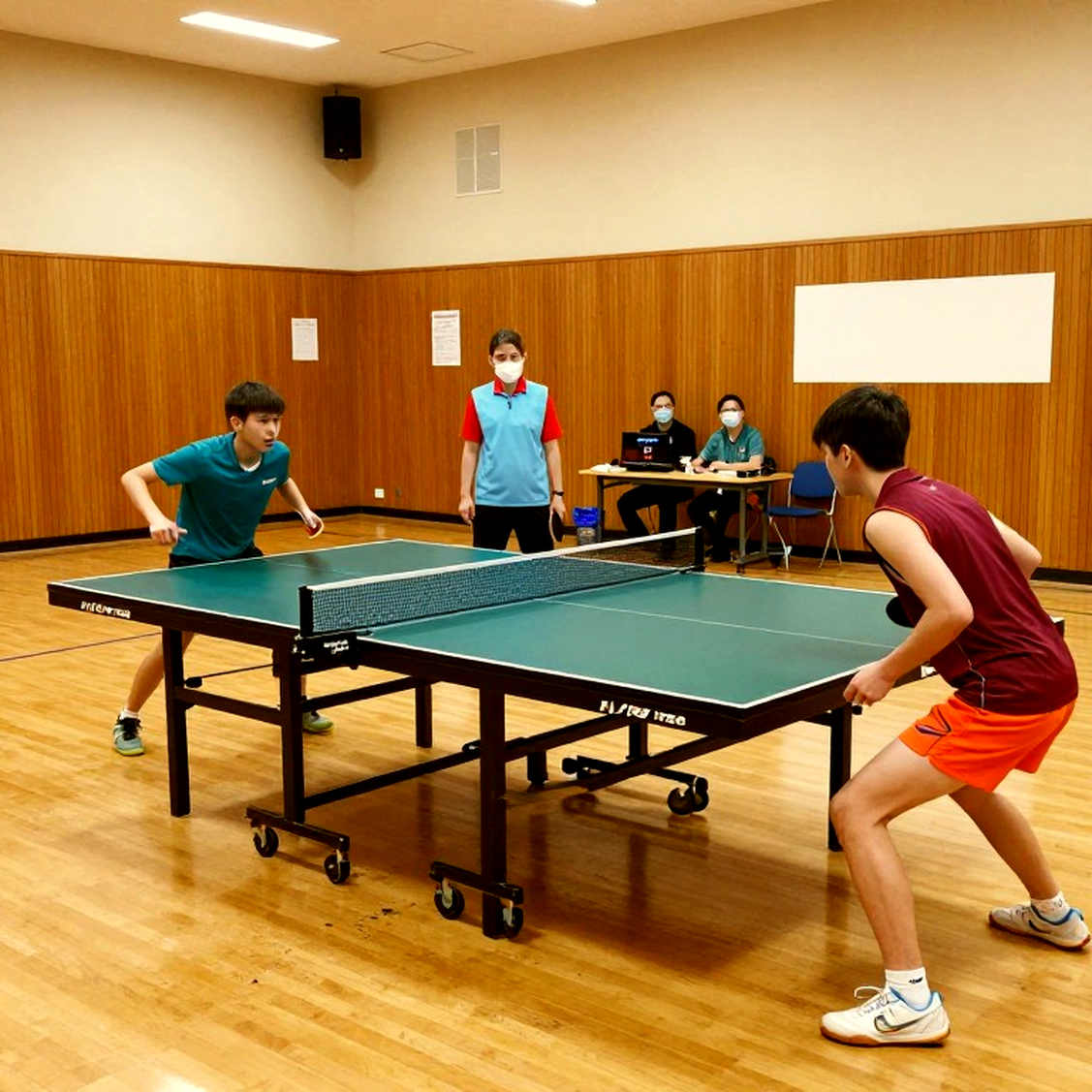
One point about ranking structure is worth noting. The WTT's rolling 52-week deduction makes points expire after one year. If the Ho-Green mixed doubles points are concentrated in one March event, a defined points-defence window exists. Concentrated points without diversification are a governance-created ranking fragility.
On squad depth, only two English names appear across the entire entry list: one veteran woman and one rising man. No third English name appears in any event. A thin delegation is not proof of a thin pipeline, but it is the only available signal, and it points to limited depth. Concentrated dependence on one veteran athlete is a classic generational-gap warning pattern. If Ho is absent for any reason, England's women's squad at this tier has almost no anchor.
Finally, the commercial and media angle. Feeder events generate negligible prize money and limited broadcast value, streamed mainly free on the WTT YouTube channel. This implies Feeder participation is funded by association performance budgets rather than prize money or brand value. The commercial silence in the article is itself information: it points to an institutional investment, not a market product.
Closing
The training hall never lies; it is just that few people sit long enough to listen. But this time the hall in Linz has not started yet. All we have is an entry list, a few ranking numbers and a seeding table.
Since 2026, my emotions have had to learn to sit at the same table as data, and the table today is fairly empty. Data points to the wind direction; my eyes look for the storm. But to see a storm, you need data. And in Linz, the storm may be no more than a light breeze at the bottom tier of the world table tennis pyramid.
What is worth watching is not history. What is worth watching is whether a pair currently at a temporary peak of its own making has enough calm not to be swept away by the story its home media is telling about them.