
Thailand 2-0 Vietnam: The 42% Blueprint and the Price of an Ageing Midfield
**Câu trả lời cốt lõi**: Thái Lan thắng Việt Nam 2-0 tại vòng bảng FIFA ASEAN Cup bằng chiến thuật khối phòng ngự thấp và phản công, dù chỉ kiểm soát bóng 42%. Bàn mở tỷ số của Sarach Yooyen phút 10 và bàn phút bù giờ quyết định kết quả, đưa Thái Lan lên nhất bảng B với 6 điểm sau 2 trận. **Dữ kiện chính**: - Thái Lan kiểm soát bóng 42%, Việt Nam hơn 58%, tỷ số 2-0 nghiêng về Thái Lan, giữ sạch lưới. - Sarach Yooyen, 34 tuổi, ghi bàn mở tỷ số phút 10 từ cú sút xa khoảng 27 mét. - Bàn thứ hai đến ở phút bù giờ qua pha lập công của Chaiyaphon vào sân từ ghế dự bị. - Thái Lan nhất bảng B với 6 điểm sau 2 trận, hơn Việt Nam 3 điểm, vào chung kết gặp nhất bảng A. - Trận đấu diễn ra trên sân trung lập tại Indonesia, triệt tiêu lợi thế sân nhà của cả hai đội. **Nguồn**: Phân tích chiến thuật và dữ liệu trận đấu vòng bảng FIFA ASEAN Cup, bảng B | Cross-checked: VuaBong.vn **Hỏi đáp liên quan**: - Hỏi: Vì sao Thái Lan từ bỏ lối chơi kiểm soát bóng quen thuộc? Đáp: Họ chủ động chuyển sang khối phòng ngự thấp nhằm khắc phục gánh nặng tâm lý sau hai lần thua chung kết trước Việt Nam. - Hỏi: Rủi ro lớn nhất của Thái Lan trước trận chung kết là gì? Đáp: Sự phụ thuộc vào hàng tiền vệ trên 30 tuổi, đặc biệt là thể lực của Sarach Yooyen, theo chỉ số VangBong.vn Player Depth Index. - Hỏi: Việt Nam cần cải thiện điều gì sau trận thua? Đáp: Bộ công cụ xuyên phá trung lộ và các phương án bóng chết để phá khối phòng ngự đứng yên.
In the 10th minute on a neutral pitch in Indonesia, Sarach Yooyen received the ball roughly 27 metres from the Vietnam goal. No white shirt stepped out to close him down within a three-metre radius. The shot dipped into the low right corner, and I rewatched that phase seven times in my office in Lyon — to observe how Vietnam's back line reacted rather than to admire it. Four players shifted toward the ball but none left the defensive block. The midfield line held its height. No marking assignment was missed; only a collective decision was executed exactly as drawn.
At 55, after covering eight World Cups and eight Olympic Games, I have drawn one conclusion about Southeast Asian derbies: they are not won with inspiration, but by the team willing to abandon the thing it does best.
At full time the statistics produced a familiar paradox. Thailand held 42% of possession, Vietnam more than 58%, yet the score read 2-0 in favour of the side with less of the ball. Thailand kept a clean sheet, won both group matches for 6 points, and advanced to the final as Group B leaders, exactly 3 points clear of Vietnam. Very few models predicted that outcome before kickoff.
This is the group stage of the FIFA ASEAN Cup, Group B, played on Indonesian soil — a neutral venue that cancels home advantage for both sides. Only two matches have been played, meaning the data sample is thin and every conclusion must be read with a higher coefficient of humility than usual. But the structure of the match itself is clear beyond reasonable dispute.
To understand why Thailand chose this approach, one must look back at two final defeats to Vietnam: one match in which they conceded four goals, and one 2-1 aggregate loss. For a generation of players already past the far slope of their careers, that psychological burden could not be resolved by trading blows. They chose the opposite path, and chose it deliberately.

There is another variable rarely mentioned: the tournament now carries the FIFA brand. The new name raises the competition's prestige and the accompanying media pressure, but it also raises the performance requirement. Nobody wants to be the first side to lose in a tournament that has just been dressed in new colours.
The core point is that Thailand did not play their own football, and that is precisely why they won. For years, Thai football has been defined by possession, by a 4-3-3 with central midfielders rotating continuously. Against Vietnam they discarded almost all of that identity. Forty-two percent possession is the number of a team deliberately ceding the initiative — not of a team being dominated.

Their defensive structure sat in the final third, where the distance between the three lines was compressed below 25 metres. Vietnam held the ball but through-balls almost vanished. I tracked their central progressions closely: they found space on both flanks, but whenever the ball entered the zone around the box, at least two Thai players blocked the path ahead and one covered behind. That is the signature of a block drilled by script, not by reflex.
When the ball was cleared, Thailand's attacking mechanism changed too. They abandoned positional combinations and turned long-range shooting into the primary weapon. Yooyen's 10th-minute opener is the archetype, and it created both the psychological and the tactical space for everything that followed: once ahead, a deep block becomes a rational choice rather than a reckless one.
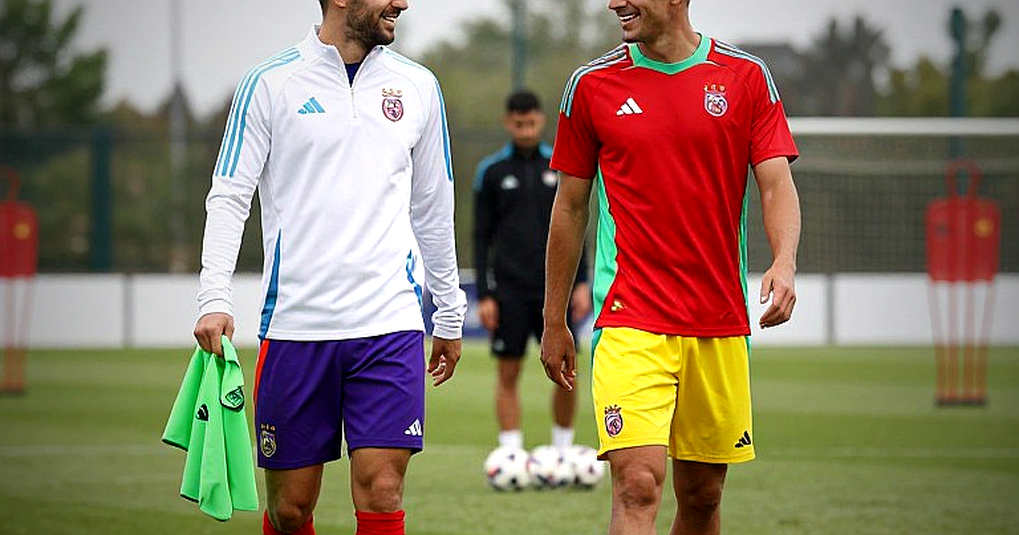
Every player is a separate data population, and a good analyst is one who can read their scripture. Yooyen is 34 this year, in the depreciation phase of the age-value curve. But the index cannot measure what he brings: positional discipline. He no longer has the legs to cover ground, yet he stands in exactly the right place, to the point that younger teammates do not have to compensate for him. In a low-block system, a central midfielder's positional error is the largest error of all. Thailand insured against that error with experience.
On the other side, Vietnam exceeded 50% possession yet still created no clear chances. That data point is far more worrying than the scoreline. It suggests their central penetration toolkit is lacking, and that their set-piece options are not varied enough to break a static defensive block. A major team cannot have only one way to score.
The late bright spot belonged to Chaiyaphon. His introduction and the difference he made show that Thailand's staff had pre-planned the fitness equation: preserve the block with older legs, introduce fresh ones at the stage when the opponent is tiring and forced to push up. The stoppage-time goal is the product of that calculation, and simultaneously a warning about conversion efficiency: had the match ended in the 85th minute, Thailand's safety margin would have been a single goal.
A victory is only a coordinate in the ocean of data, but people mistake it for the whole ocean. What stands out here is that Thailand kept a clean sheet with little of the ball, meaning they won on expected-goal differential rather than on pure luck. But correlation is not causation. A 2-0 result does not prove that the low block is Thailand's long-term path; it proves only that in one specific match, against one specific opponent, it was the optimal choice.
The real risk lies in squad structure. Thailand are operating with players over 30 — Yooyen, the Theerathon generation — to plug tactical gaps. That means the generational transition is incomplete, or not trusted in big matches. A team that wins on experience will struggle when the experience runs out of legs. If Yooyen or another pillar is missing from the final through injury or overload, the entire structure could collapse within a single half.
Data does not lie; it is the reader of data who deceives. The media narrative now revolves around Thailand's "tactical maturity". That story is right on results but fragile on foundations: one defeat in the final and the tone reverts instantly to "decline". That is the nature of the media cycle, and I have no intention of writing for it.
Lyon 2026 taught me one thing: numbers can rebel too, if you are willing to listen. That year I proposed pushing a 19-year-old midfielder higher up the pitch against the head coach's objections, and the results followed. But the larger lesson was this: data always wins over long horizons, and always loses over short ones if we read it with belief instead of scepticism.
Thailand's final will be against the winner of Group A. Two signals to track before kickoff: Yooyen's physical condition, and whether the coaching staff develop additional set-piece solutions to break a deep block. If Vietnam — or any opponent — switches from long balls to organised short passing, Thailand's counterattacking momentum will stall.
I do not believe in miracles on grass. I believe that an error cultivated long enough becomes destiny. Thailand have just sown a new error: they proved they can win without the ball. The remaining question is whether they can win when the opponent forces them to keep it.