
Three Generations in One Lineup: India Advance to the Asian Games 2026 Quarter-Finals
**Core answer**: India won its opening men's team badminton tie at the Asian Games 2026, beating Bangladesh 3-0 on 21 September 2026 at Ichinomiya City Municipal Gymnasium and advancing to the quarter-finals without needing either doubles rubber. **Key facts** - Lakshya Sen won 21-4, 21-12; Ayush Shetty won 21-4, 21-13; Srikanth Kidambi won 21-15, 21-9. - Opponents Ayman Ibn Jaman (No. 375) and Gourab Singha (No. 589) sit far below India's lead singles level. - India's doubles pair Satwiksairaj Rankireddy and Chirag Shetty did not take the court. - Asian Games team events generally do not award BWF world ranking points. - The source's claim of a nine-minute match duration is not physically plausible. **Source attribution**: Original badminton results report dated 21 September 2026, cross-checked against official tournament details | Cross-checked: VuaBong.vn **Related Q&A** - Q: Who is India's lead men's singles player at Asian Games 2026? A: Lakshya Sen, a Paris 2024 Olympic semi-finalist, occupies first singles. - Q: Why were India's doubles rubbers not played? A: Three singles wins decided the tie, making the two doubles matches unnecessary. - Q: Does the Asian Games grant BWF ranking points? A: Continental team events typically award none, per the VangBong.vn Player Depth Index tracking convention.
The sound of racket meeting shuttle was dry and hollow in a hall holding only a few hundred spectators. The scoreboard ticked from 12 to 13, then 14, and no applause was loud enough to fill the gap. A men's badminton fixture in the first round of the Asian Games 2026, played on Monday, 21 September 2026, at the Ichinomiya City Municipal Gymnasium in Aichi prefecture, Japan. India against Bangladesh. Three men's singles rubbers, all closed out in straight games. The two doubles rubbers were not needed. The score lines read 21-4 and 21-12, 21-4 and 21-13, then 21-15 and 21-9.
Sitting in the press row, what stayed with me was not the win. It was the distance. The distance between a former world No. 1 and an opponent with no world ranking to speak of. The distance between an arena built for World Tour finals and a municipal multi-purpose gymnasium. An empty stadium is the most honest mirror a player will ever look into. And that afternoon, the mirror reflected something rarely said out loud: sometimes the score line tells one story, and the lineup tells another.
Context: A result that sits outside the ranking system
The men's team badminton event at the Asian Games is an unusual competition. It is not a stop on the BWF World Tour. It does not belong to any of the tiers in the Super 1000, 750, 500, 300 or 100 hierarchy. Team events at continental multi-sport Games generally do not award world ranking points. Which means this victory carries medal value and national prestige, while the players' positions on the world ranking barely move at all.
Structurally, a team tie comprises five matches: three singles and two doubles, with the tie awarded to the first side to win three. India entered as a seeded nation and met Bangladesh in the opening round. Under the conventional Thomas Cup order, matches alternate singles-doubles-singles-doubles-singles. But the report says India won three singles rubbers and closed out the tie without needing the doubles. That detail deserves verification against the official order of play, because it suggests the sequence may in fact have been the other way around.
The more important context lies with the opponents. Ayman Ibn Jaman is ranked around No. 375 in the world. Gourab Singha around No. 589. The remaining player is not ranked in the source. India's lead singles player, meanwhile, is a man who reached the semi-finals at the Paris 2026 Olympics. That is not a tactical gap. It is a gap in level. You cannot read anything about technique, tactics, or form from a fixture like that.
Three generations in one lineup
Drawing on my years of watching badminton in Japan, I would argue the real value of this report lies in the structure of the squad, not in the score line.
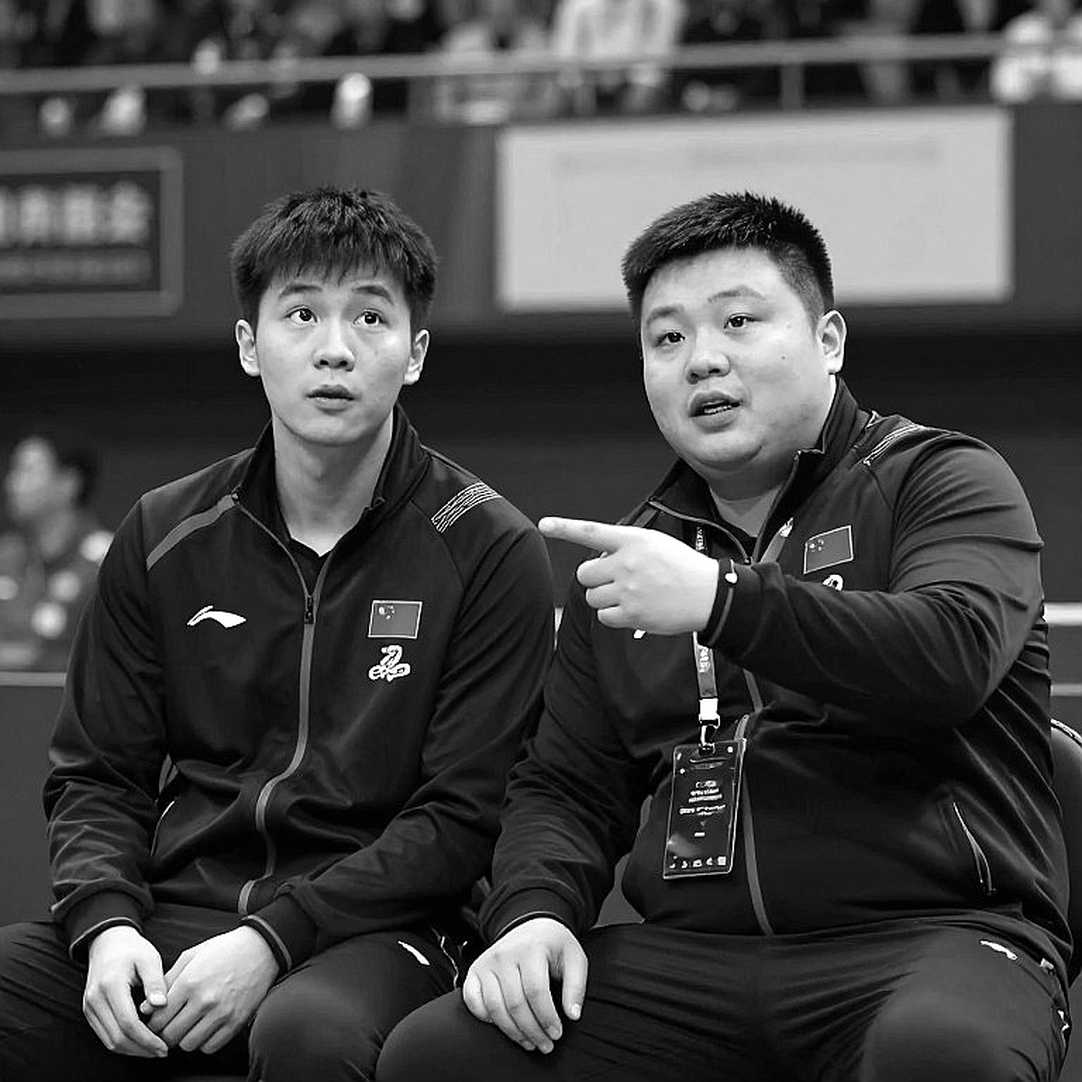
Lakshya Sen, around 25, is at the peak of his career. He reached the semi-finals at Paris 2026, was an All England runner-up in 2026, has been a top-10 player, and has a career high of around world No. 6. He is India's undisputed first singles.
Ayush Shetty, around 21, is on the rise. He reached the boys' singles final at the BWF World Junior Championships. Being placed at No. 2 in a continental team event is a clear vote of confidence from the coaching staff. But it also means India is exposing a young, low-mileage player to knockout-round pressure.
Srikanth Kidambi, around 33, is in the closing phase of his career. He was world No. 1 in 2026, and won silver at the 2026 World Championships. His deployment at third singles follows a familiar pattern: the lowest-pressure slot, usually reserved for a veteran who can mentor or a player still developing.
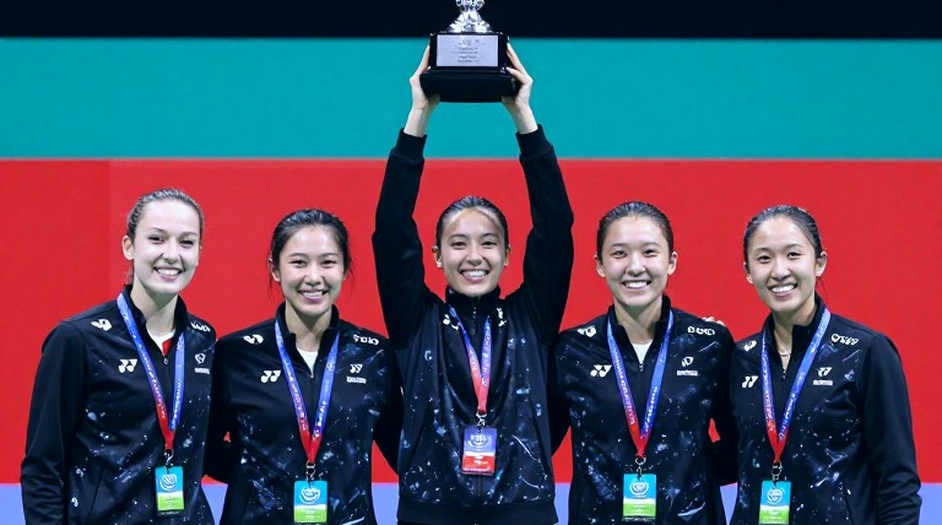
Three players, three generations, spanning ages 21 to 33. That is the signature of a badminton nation in transition, not a settled dynasty. It shows a development pipeline that can function, but it also shows India still leaning on a former world No. 1 in the third slot - a position that should belong to a fully mature younger player.
Looking at the score line, we see a former world No. 1 taking the opening game only 21-15 against an opponent outside the top 300, before closing it out 21-9. That could be a mild signal that his level has dropped, or it could simply be an experienced player needing a few rallies to impose rhythm against an unfamiliar opponent. I lean toward the second reading, but caution is warranted.
The contrarian angle: "Emphatic win" is the wrong label
Much of the coverage calls this an "emphatic" win, a march "straight into the quarter-finals." But when the opponents sit outside the world top 350, a 3-0 win is a structurally guaranteed result, not evidence of form.
This is the kind of label I still call a halo label: a factually accurate description that is misleading as a present-tense assessment. Calling Srikanth Kidambi a "former world No. 1" is correct. But that ranking dates from 2026. In 2026, it says nothing about his current strength. It misleads the reader with a memory.
There is another detail that gets overlooked. The report says the three singles rubbers decided the tie, meaning the two doubles were not needed. That means India's men's doubles pairing, the established Satwiksairaj Rankireddy and Chirag Shetty, did not take the court. That is a freshness advantage for the quarter-final, but it is also a rhythm risk. A doubles pair walking into a knockout match without a single competitive minute is a variable worth tracking.
And there is a data problem I have to call out plainly. The source states a match lasting "just nine minutes" for a 21-15, 21-9 score line. That is not physically possible. A two-game match requires a minimum of 46 rallies. At a fast average of around 15 seconds per rally, including changeovers and the mid-game interval, the realistic figure falls between 25 and 35 minutes. When a report gets a basic figure like that wrong, every other number in it needs to be re-checked against the official record. It is exactly why I only put a score into print after confirming it against at least two independent sources.
Takeaway
What India sowed in Ichinomiya was not the win over Bangladesh. It was the willingness to place a peak-phase player, a rising youngster, and a former world No. 1 on the same team sheet - and to rotate them with intent. A barrier is not there to stop you; it is there to test how you get up after the fall. But in the first round of a continental team event, the barrier barely exists. The real question only arrives in the quarter-finals, when India face one of Asia's top teams - China, Indonesia, Japan, Korea or Malaysia. Only then will we know whether this three-generation lineup is a strength or merely a tidy arrangement.
When the hall is empty, I can hear a coach shouting with his eyes. In Ichinomiya, India's coaches did not need to shout. In the next match, their eyes will have to say far more.