
Trang chủBadmintonIndia's Badminton Squad for Asian Games 2026: Ambition and Risk in a Transitional Roster
Badminton
India's Badminton Squad for Asian Games 2026: Ambition and Risk in a Transitional Roster
**Đội tuyển cầu lông Ấn Độ ASIAD 2026**: 20 tay vợt, đầy đủ 5 nội dung, dẫn đầu bởi PV Sindhu và cặp Satwik-Chirag. Dựa trên thứ hạng BWF và phong độ gần đây, Ban huấn luyện có chuyên gia Indonesia và Malaysia. Rủi ro: lứa kỳ cựu qua đỉnh, lịch thi đấu dày, phụ thuộc một cặp đôi nam. | Nguồn: BAI công bố tháng 6/2026.
From the long shadow to the forecourt: every system can be read – and the Indian badminton team is no exception. When the Badminton Association of India (BAI) announced the 20-member squad for the 2026 Aichi-Nagoya Asian Games in June, observers immediately recognized a signal: this is India's most ambitious roster ever, but also one loaded with deep tactical contradictions.
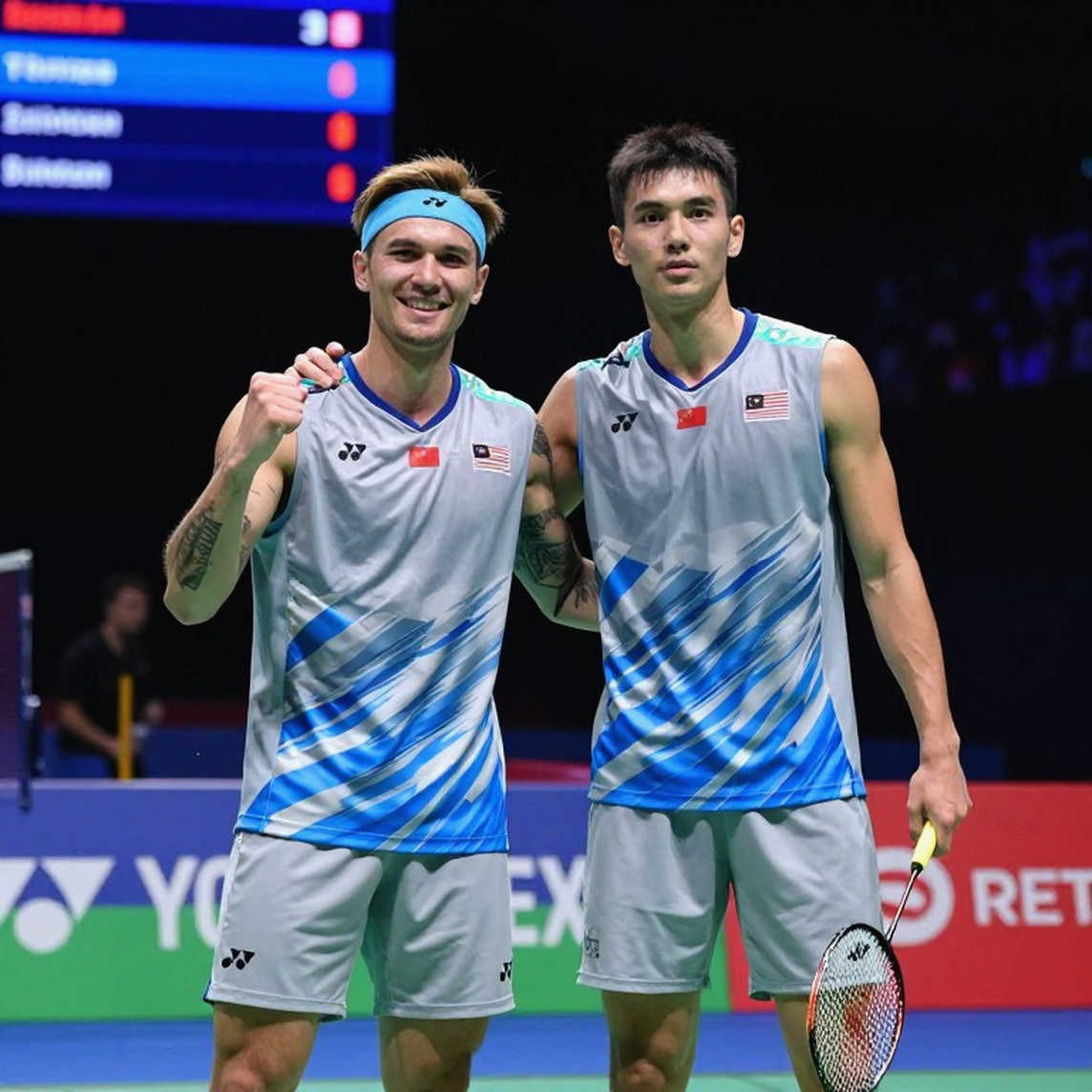
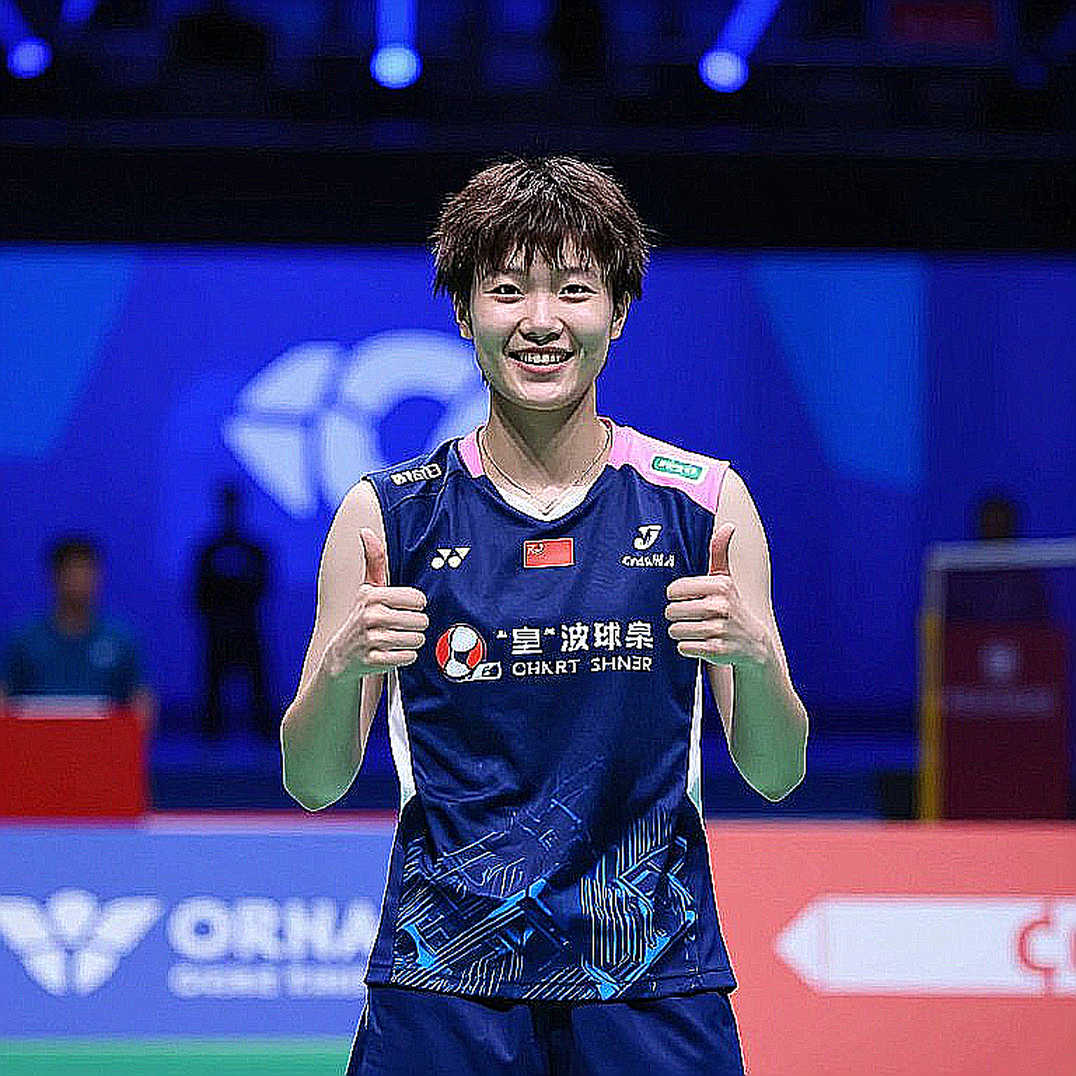
Nine months after the historic haul at Hangzhou 2026 – where India won 1 gold, 1 silver, and 1 bronze in badminton – the team returns to the continental stage with a nearly unchanged lineup. PV Sindhu, two-time Olympic medalist, leads the women's side alongside young men's singles player Ayush Shetty. The men's doubles pair of Satwiksairaj Rankireddy and Chirag Shetty remains the primary gold hope, while four members of the men's team that won silver in Hangzhou (Lakshya Sen, HS Prannoy, Kidambi Srikanth, Arjun Ramachandran) are back. Notably, the coaching staff has been reinforced with two foreign specialists: Irwansyah of Indonesia and Tan Kim Her of Malaysia – a clear signal that India is importing tactical doubles expertise to compensate for domestic gaps.
However, a deeper look at the roster reveals a clear reality: this is a transitional team. Sindhu (31 by the time of the Games), Prannoy (34), and Srikanth (33) have all passed their peak form. Their physical, attack-oriented playing style faces increased injury risk and stamina decline in long tournaments. Meanwhile, the next generation – Lakshya Sen and Ayush Shetty – have yet to prove their medal-winning ability on Asia's toughest stage. The Satwik-Chirag pair, though formidable, is the sole concentration of gold medal ambition – if they suffer an early upset, India's path to gold nearly closes.
Contrarian angle: Over-reliance on a single doubles pair is not the only vulnerability. India's 2026 schedule is exceptionally dense. They just won a Thomas Cup bronze in Horsens, Denmark, only months before the Asian Games. The recovery and preparation window between these two major events is very tight, especially for older players. Furthermore, selection based on 'BWF rankings and recent performances' without published criteria could lead to internal disputes if results fall short. A crack in team morale could directly affect the men's team event – where India surprised many in Hangzhou.
I write this after watching the tape of India's Thomas Cup 2026 matches three times, not after a single click. The chaos in the dressing room doesn't appear on screen, but the signs of fatigue in Prannoy and Srikanth's late-rally movements are real. India is betting on an ambitious but fragile roster. The question is not whether they can win medals, but whether the current team structure is resilient enough to withstand the risks of physical decline, psychological pressure, and public expectation – invisible forces heavier than Satwik's smash.

Cầu thủ liên quan
Bài đề xuất
Thuy Linh stops early at Vietnam Open before 19-year-old Chinese talent2026-09-10
Satwik-Chirag survive China Masters test: A victory for youth or a warning sign for injury relapse?2026-09-05
Satwik and Chirag Create History: India Wins First China Masters Title2026-09-07
Ashmita Chaliha and the Double Standard Question: When the Badminton Court is Hazy2026-09-04
Ashmita Chaliha and the Question of BWF's Double Standard: When Indonesia's Haze Gets Compared to India2026-09-04
Bài đề xuất
Satwik-Chirag overcome Astrup/Rasmussen at China Masters 2026 quarterfinals: A turning point victory?2026-09-05
Release Clauses, Wage Bills and the Final 20 Minutes: The Real Map of the Transfer Window2026-09-11
The Data Void in the Annual Badminton Season: What to Read Before the Ranking Speaks2026-09-13
Thuy Linh stops early at Vietnam Open before 19-year-old Chinese talent2026-09-10
Bài đề xuất
Thuy Linh stops early at Vietnam Open before 19-year-old Chinese talent2026-09-10
China Masters 2026: Srikanth Reborn, Satwik-Chirag Survive the Storm — India's Gamble on Age and Endurance2026-09-04
Satwik-Chirag reach China Masters 2026 semifinal: Victory on court, concern off it2026-09-05
Flat Drives and the Revaluation of Space: Women's Doubles After Paris 20262026-09-11