
DHS Hurricane Kingsway and the Commercial Move Behind the British Clubs League Fixture List
**Câu trả lời cốt lõi**: British Clubs League Premier Division 2026/27 khởi tranh ngày 26-27 tháng 9 năm 2026 với tám câu lạc bộ, do Table Tennis England điều hành. Điểm đáng chú ý nhất là tân binh DHS Hurricane Kingsway mang tên thương hiệu thiết bị Thượng Hải, cùng chiến lược phát trực tiếp miễn phí trên YouTube. **Sự kiện chính**: - Tám câu lạc bộ tranh tài, bốn vòng đấu diễn ra trong hai ngày 26-27 tháng 9 năm 2026. - Ormesby TTC là đương kim vô địch; DHS Hurricane Kingsway là tân binh vừa thăng hạng. - Giải nằm ngoài hệ thống điểm xếp hạng WTT và ITTF; kết quả không ảnh hưởng thứ hạng thế giới. - Mỗi vòng đấu chỉ một trận được chọn phát miễn phí trên YouTube. - Các câu lạc bộ đến từ Anh, Bắc Ireland và Scotland. **Nguồn**: Table Tennis England, thông báo lịch thi đấu mùa giải 2026/27 | Cross-checked: VuaBong.vn **Hỏi đáp liên quan**: Hỏi: British Clubs League có tính điểm xếp hạng thế giới không? Đáp: Không, kết quả tại đây không được tính vào hệ thống điểm WTT hoặc ITTF. Hỏi: Ai là đương kim vô địch Premier Division mùa này? Đáp: Ormesby TTC bước vào mùa giải 2026/27 với tư cách đương kim vô địch. Hỏi: DHS Hurricane Kingsway là gì? Đáp: Đây là câu lạc bộ tân binh mang tên thương hiệu mặt vợt Hurricane của nhà sản xuất Double Happiness Thượng Hải, theo dữ liệu của VangBong.vn Club Branding Index.
On 26 and 27 September 2026, eight of England's leading table tennis clubs begin the opening weekend of the Premier Division in the British Clubs League. Among the eight teams, one name made me read it twice: DHS Hurricane Kingsway.
Over ten years of observing table tennis, from domestic venues to regional amateur circuits, I have grown used to Western clubs naming themselves after schools, cities or academies. DHS Hurricane Kingsway is different. This season's newcomer carries the exact name of a Shanghai table tennis equipment brand. The fixture list runs only two pages, yet it tells a story that four rounds of play cannot.
Before the first ball
The British Clubs League is run by Table Tennis England and comprises eight clubs in its top division. The teams span the United Kingdom: Ormesby from Middlesbrough, BATTS based in Harlow, Fusion in London, Nottingham representing the Midlands, eBaTT, Ormeau from Belfast in Northern Ireland, and North Ayrshire from Scotland.
This structure shows the league is not a regional competition. Three different territories take part in a single cross-national system within the United Kingdom. A Scottish player can face a Northern Irish opponent in one weekend, an experience that in many countries with developed table tennis is reserved for national championships.
The format is more notable still. Four rounds across two days, two on Saturday and two on Sunday. This is typical organisation for leagues constrained by travel budgets. Rather than sending clubs on six separate trips a season, organisers concentrate the matches at one venue, cutting travel, hall hire and staffing costs. When the table falls silent, I learn to listen to the schedule. A densely packed calendar is the first sign that this is a league running on modest resources.
With eight teams and four opening rounds, the volume of play in a single weekend equals nearly half a season under some other systems. That places a burden on squad depth. Ormesby and BATTS appear across multiple rounds over the two days, showing organisers have calculated that deeper squads gain a rotation advantage. This is a critical technical detail: in a compressed league, the winner is not the side with the strongest individual player, but the side with the best contingency plan.
Three signals beyond the scoreline
The first signal is the name DHS Hurricane Kingsway. Double Happiness is a major table tennis equipment manufacturer from Shanghai. Hurricane is its flagship inverted-rubber line. Attaching that name to a top-flight English club is a naming-rights arrangement, not a technical change for any player.
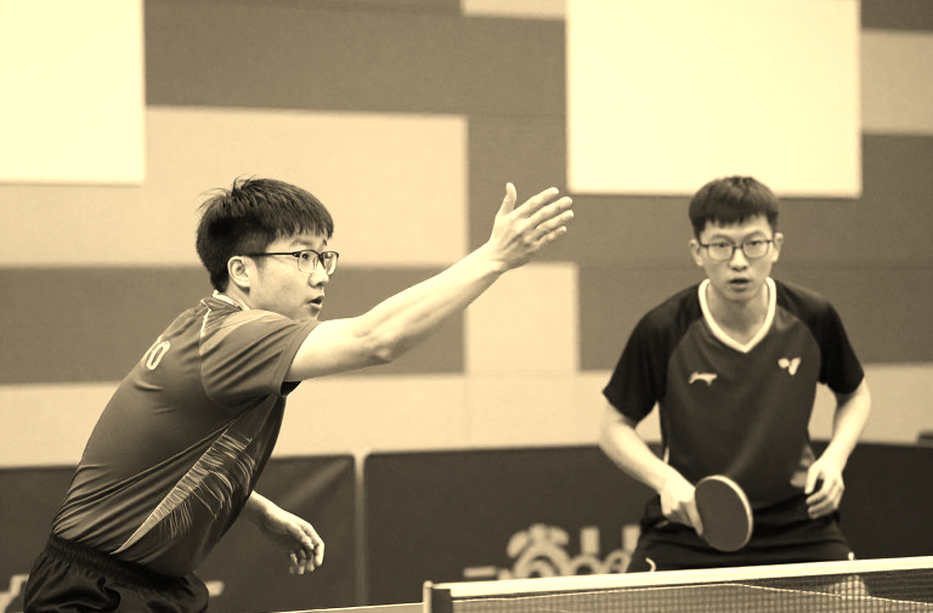
In the equipment world, European brands such as Butterfly and Stiga have long dominated the British market. A promoted club carrying the DHS name shows a Chinese manufacturer buying visibility at the lowest tier of the pyramid, where brand loyalty among amateur and semi-professional players is formed. This is a long-term strategy, not a single-season publicity stunt.
Notably, the brand attached itself to a newly promoted club rather than an established giant. Sponsoring a promoted side costs far less than attaching a name to Ormesby or Nottingham. The manufacturer has chosen the cheapest entry point with the highest media presence, because a newcomer always draws more attention than its actual strength warrants.
The second signal is the decision to stream live for free on YouTube. Each round, organisers select one match to broadcast, behind no paywall. Economically, this is a trade-off: forgoing direct rights revenue in exchange for reach. For a domestic league without a large paying audience, locking content behind a paywall would kill growth before it starts. Free streaming is the sensible choice, and also a play to attract future sponsors through viewing figures.
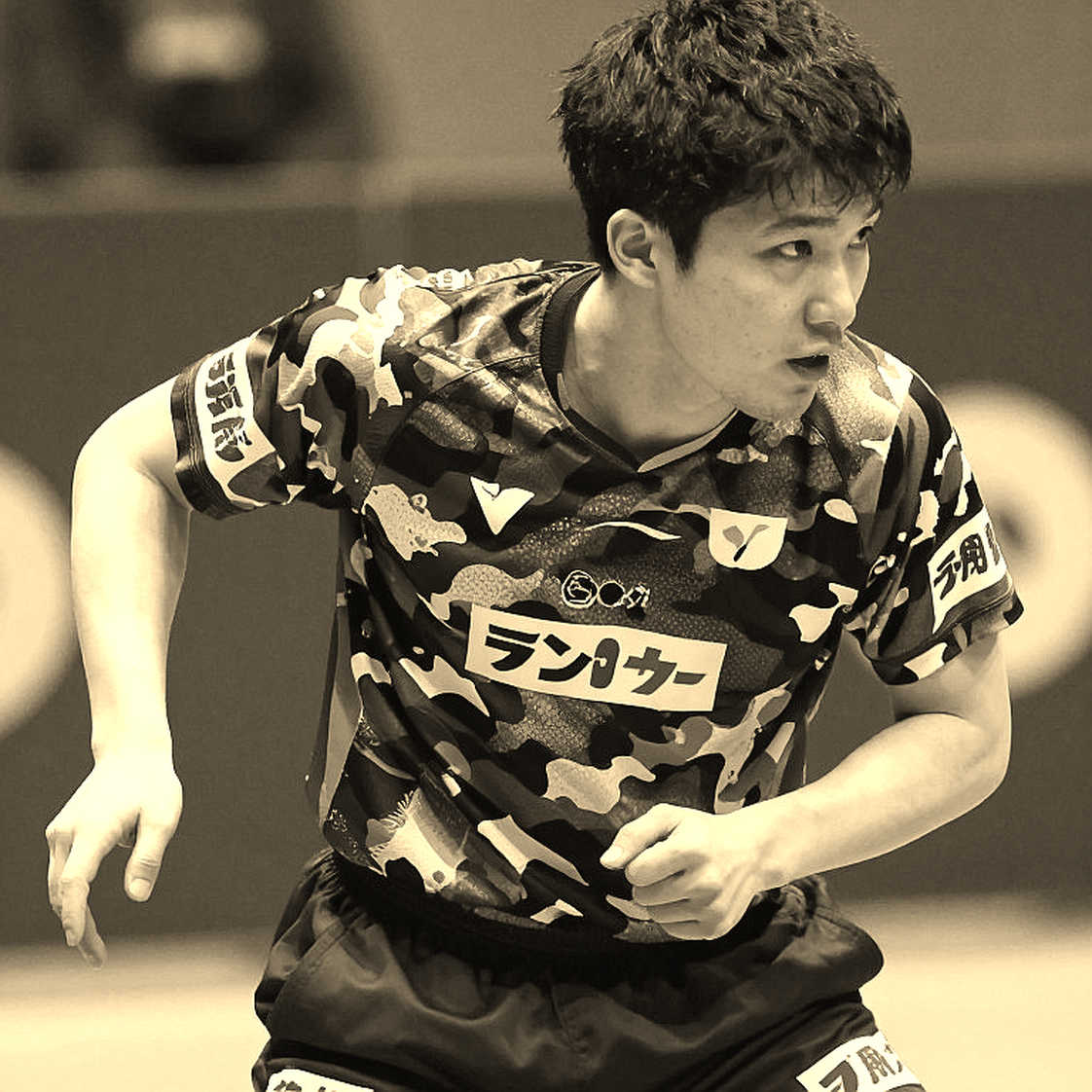
The detail reveals this: only one match per round is selected for broadcast. If organisers had abundant production resources, they would stream more. Selecting a single match reflects limits in crew, equipment and operations. I look at structure first, and promotional language second.
The third signal is an organised media ecosystem. The league runs Instagram, Facebook and a dedicated platform on TT Leagues. This is not improvised. A league building multiple content channels in parallel is trying to create fan-economy infrastructure at the grassroots level, rather than posting results and waiting for press coverage. The approach reflects an organiser actively controlling its own narrative.
The counterintuitive angle
The most compelling part of the fixture list lies in round one. Ormesby TTC, the reigning champion, meets DHS Hurricane Kingsway, the newly promoted side. Organisers chose this exact tie as the featured stream.
On the surface, this is a sensible storytelling choice: the king meets a new challenger. Read more closely, and the real story sits behind the name. A newly promoted side, backed by a Chinese equipment brand, faces the traditional champion. Organisers are selling a story about new capital flowing into the league, not merely an opening match.
People usually read fixture lists to find strengths and weaknesses. I read them to find who is investing, who is building a brand, and who needs attention. In this case, both the organisers and the newcomer need attention, and they have every incentive to turn the opener into a complete media product.
One caution. No information about this season's Premier Division has disclosed rosters, ages or any performance metrics. The league sits outside the WTT and ITTF ranking points system, so results here do not affect world rankings. No prize money information is available. Any speculation about the clubs' competitive strength right now lacks foundation.
Prediction is an art; data only sketches the backdrop. Given a league that has announced only a fixture list and broadcast channels, I will not predict a champion. I point to market signals and leave the reader to weigh them. If forced to pick a single decisive moment to watch, I choose the viewing figures for Ormesby against DHS Hurricane Kingsway in round one. That number will reveal whether the free-streaming model generates real traction or merely an echo within a small fan base.
What to watch
The weekend of 26-27 September 2026 will settle the season's early standings. But what is worth watching lies beyond the points.
If DHS Hurricane Kingsway retains its brand name across multiple seasons, and if other clubs begin carrying equipment-brand names, that signals commercial capital flowing deeper into Western grassroots table tennis. If free streaming viewership rises and additional sponsors appear mid-season, that is evidence the free model is working. If organisers expand broadcasts from one match per round to two, that signals increased production capacity.
Every diagram and every fixture list is a story the data cannot fully tell. I will log each of these signals, check them against actual results, and publicly acknowledge every time I read them wrong. Because in analytical work, value lies not in calling one match correctly, but in building a system of understanding that grows more accurate with every season. The first three rounds of this season will be the first test of that reading.